In Fiji:

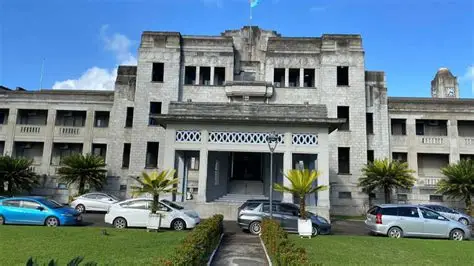
Around $11 million worth of assets are currently involved in active forfeiture proceedings in Fiji, with most of the cases linked to alleged drug-related activity.
The Government has increased its focus on targeting the financial gains of serious crime, including the establishment of a dedicated Civil Forfeiture Unit within the Office of the Director of Public Prosecutions during the current financial year.
Acting Attorney-General and Minister for Justice, Siromi Turaga, told Parliament this week that forfeiture cases had increased significantly. One recent case involves properties valued at almost $9 million.
Authorities have also secured Unexplained Wealth Orders under the Proceeds of Crime Act against known drug dealers whose wealth was found to be substantially higher than their declared legitimate income.
The measures are part of Fiji’s broader response to money laundering and other serious financial offences.
Fiji’s 2025 National Risk Assessment identified illicit narcotics offences and organised crime as major contributors to the country’s money laundering risk. Tax and customs offences, illegal fishing, bribery and corruption were also identified as areas of concern.
Several government agencies are working together to improve the sharing of information, investigations and operational coordination aimed at identifying and disrupting illicit financial activity.
The agencies involved include the Fiji Police Force, Fiji Independent Commission Against Corruption, Financial Intelligence Unit, Fiji Revenue and Customs Service, Reserve Bank of Fiji and the Office of the Director of Public Prosecutions.
The work also forms part of Fiji’s preparations for its 2026 Mutual Evaluation of the country’s anti-money laundering and counter-terrorism financing framework.
The assessment will consider Fiji’s ability to identify financial crime risks, investigate and prosecute offenders, and restrain or confiscate assets connected to criminal activity.
Fijian Drua confirm eight home venues for 2027
Oct 21, 2026, 10:07 AM
Armed Native Constabulary expands with netball
Oct 21, 2026, 09:31 AM
Gokals Launches Fujitsu Air Conditioning, Focusing on Customer Needs and...
Oct 20, 2026, 04:50 PM

SPX Opens Entries for 2026 Corporate Excellence Awards
Oct 20, 2026, 03:08 PM

Woolworths partners Rugby World Cups in Australia
Oct 20, 2026, 02:47 PM
Fijian Drua confirm eight home venues for 2027
Oct 21, 2026, 10:07 AM
Armed Native Constabulary expands with netball
Oct 21, 2026, 09:31 AM
Gokals Launches Fujitsu Air Conditioning, Focusing on Customer Needs and...
Oct 20, 2026, 04:50 PM
SPX Opens Entries for 2026 Corporate Excellence Awards
Oct 20, 2026, 03:08 PM
Woolworths partners Rugby World Cups in Australia
Oct 20, 2026, 02:47 PM
 Fiji One News Team