In Fiji:

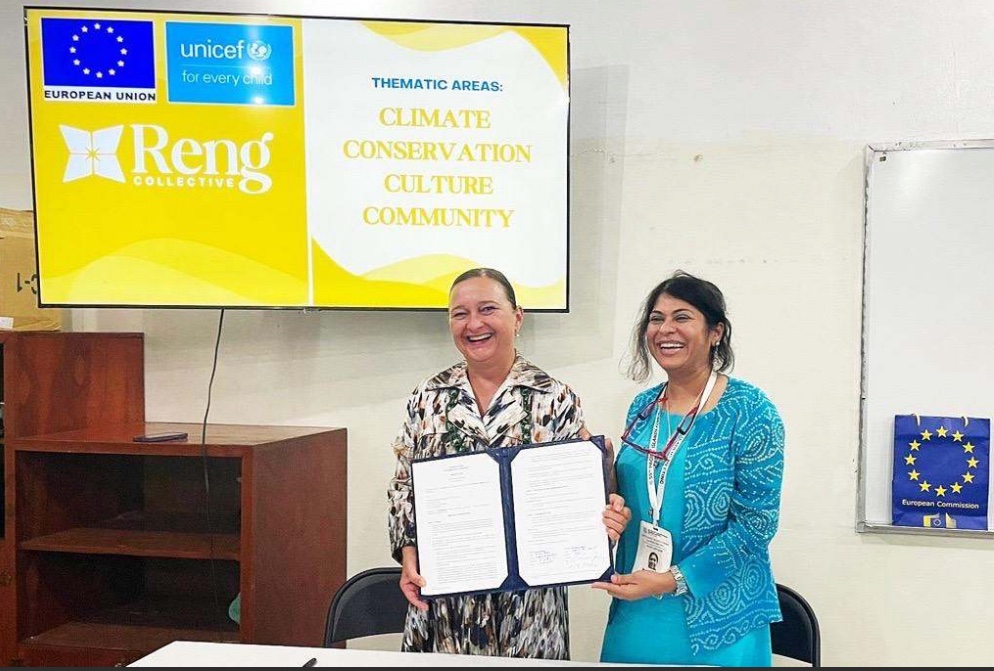
The European Union and UNICEF have launched a €17 million programme aimed at making schools across the Pacific safer and more resilient to climate-related disasters.
The Pacific Climate Resilient Education Systems (Pacific CRES) programme was launched during a side event at the 55th Pacific Islands Forum Leaders Meeting in Palau.
The five-year initiative will support Fiji, the Federated States of Micronesia, Kiribati and Solomon Islands as they strengthen education infrastructure and systems against the growing impacts of cyclones, floods, rising sea levels and other disasters.
The programme will focus on upgrading existing schools, improving maintenance systems and introducing measures to help schools remain operational during and after disasters.
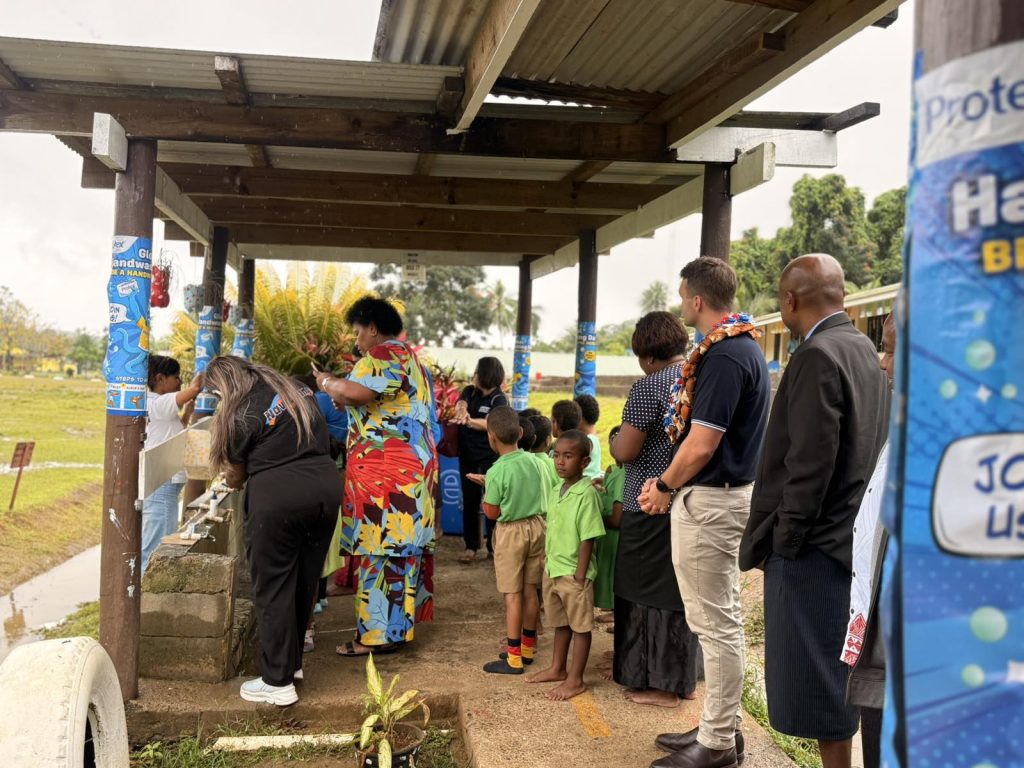
Planned improvements include climate-resilient water and sanitation facilities, renewable energy systems and better connectivity to provide children with safer and more reliable learning environments.
The agreement was signed by European Commission Directorate-General for International Partnerships Deputy Director-General Marjeta Jager and UNICEF Pacific Deputy Representative Roshni Basu.
UNICEF says the initiative goes beyond infrastructure investment, with a focus on protecting children’s safety, ensuring continuity of education and strengthening communities’ ability to cope with climate and disaster risks.
Governments will also receive support to improve long-term planning and budgeting for the maintenance of school facilities.
Over the next five years, the programme is expected to directly benefit around 15,000 children through improved school facilities, while approximately 2,000 teachers and school administrators will receive training in disaster preparedness and school resilience.
A further 25,000 community members are expected to take part in disaster risk reduction and school maintenance activities.
The programme will be implemented by Ministries of Education, working alongside UNICEF, National Disaster Management Offices, climate change authorities and regional organisations across the four participating countries.

Gokals Launches Fujitsu Air Conditioning, Focusing on Customer Needs and...
Oct 20, 2026, 04:50 PM

SPX Opens Entries for 2026 Corporate Excellence Awards
Oct 20, 2026, 03:08 PM

Woolworths partners Rugby World Cups in Australia
Oct 20, 2026, 02:47 PM
At 71 Karl Smith Continues to Thrive in Farming
Oct 20, 2026, 02:44 PM
RFMF Women Secure Defence Pacific Cup Series
Oct 20, 2026, 02:31 PM
Gokals Launches Fujitsu Air Conditioning, Focusing on Customer Needs and...
Oct 20, 2026, 04:50 PM
SPX Opens Entries for 2026 Corporate Excellence Awards
Oct 20, 2026, 03:08 PM
Woolworths partners Rugby World Cups in Australia
Oct 20, 2026, 02:47 PM
At 71 Karl Smith Continues to Thrive in Farming
Oct 20, 2026, 02:44 PM
RFMF Women Secure Defence Pacific Cup Series
Oct 20, 2026, 02:31 PM
 Fiji One News Team