In Fiji:

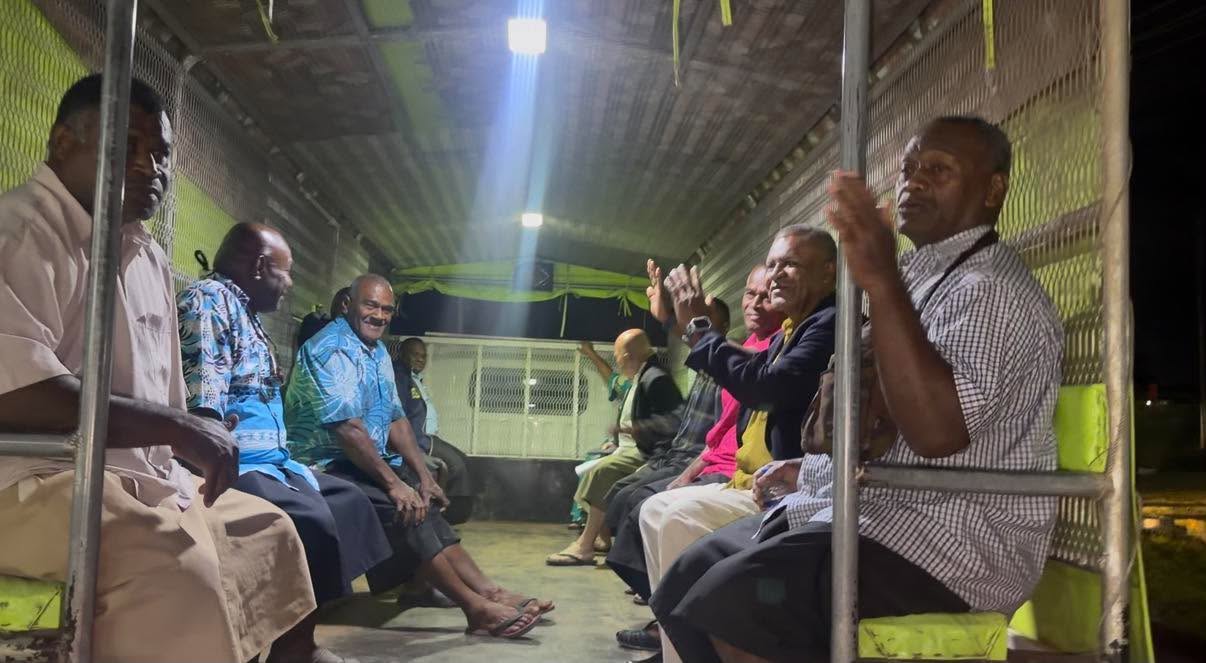
Elders from Namara in Tailevu made their way to Vunimono High School Hall in Nausori, arriving in a carrier to take part in the public consultation on the Constitution Amendment Bill 2026.
For the people of Namara, the consultation was more than an opportunity to discuss proposed changes to the Constitution. It was a chance to bring long-standing community concerns before the parliamentary committee and call for action on issues affecting their daily lives.
Leading the delegation was district representative Sekai Mua, who says access to clean drinking water remains a major concern for the district’s six villages, which have a population of about 1,021 people.
Mua says promises of regular water deliveries have not adequately addressed the community’s needs, forcing some residents to continue relying on well water.
“The water problem is not a new issue. It’s an old issue. From the previous government until now, promises have been made that they will do this and that, but nothing has been done,” Mua says.
He says the government had promised to deliver free water during the first and third weeks of every month, but the supply had not met the needs of the people.
Mua believes the community’s concerns must be heard alongside discussions about constitutional reform, stressing that access to clean water remains a basic need.
He also says the voice of traditional leadership should be considered in decisions affecting the country, while urging people from rural communities to participate in the consultations.
“I urge all members of the public, those who live in villages, those who live in rural areas, or wherever you stay, please come and make your submission so your voice can be heard,” Mua says.
For another participant, Gavula Rakuita, the consultations provide an opportunity for Fijians to speak honestly about the future they want for their country.
Rakuita, who lives in a densely populated settlement in Suva, says conversations with women in her community have shaped her views on the proposed constitutional changes, particularly the preservation of iTaukei language, culture and land ownership.
She has proposed that the iTaukei language be recognised as Fiji’s official language and be strengthened through schools and everyday communication.
“If the Fijian language is lost in Fiji, it will be lost forever,” Rakuita says.
She believes more needs to be done to protect the language for future generations, while also calling for stronger laws to safeguard iTaukei land ownership.
“I believe that we must protect our land in all aspects of it and make sure that our generations yet to come, who are yet to be born, will enjoy the same kind of prosperity that we experience on our land,” she says.
But beyond the issues raised, Rakuita believes the consultations are an opportunity for people to come together, share their concerns and work towards solutions.
Her message to Fijians is clear.
“I invite everybody to come to this consultation because it’s transparent, it’s truth-finding, and it is also healing,” Rakuita says.
Meanwhile, Opposition Member of Parliament and Special Parliamentary Committee member Praveen Bala is also encouraging the public to attend the remaining consultation sessions.
Bala says the process gives people an opportunity to raise concerns that may not have been covered in the Bill before the committee finalises its report.
“This is an opportunity where they can voice their concerns. Maybe there are certain things that are not in the report or in the Bill that they can bring up, because this is the time, not after when the Bill is tabled,” Bala says.
He says the consultations are not about political parties but about the future of the country and its people.
“It’s not about me or anybody else, or about government or opposition. It’s about Fiji. It’s about its people,” Bala says.
Bala says the committee will compile the submissions after visiting the scheduled venues and hopes the concerns raised by members of the public will be addressed.
For the elders of Namara, the journey to the consultation was an opportunity to ensure their community was represented.
For Rakuita, it was a chance to speak for the values she believes must be protected for generations to come.
And for those still waiting to have their say, the message from the consultation is that their voices matter, and the opportunity to be heard is now.

Fiji Airports boosts emergency response with three rescue boats
Oct 16, 2026, 05:34 PM
Emergency water deliveries continue across Fiji’s north
Oct 16, 2026, 05:13 PM
Fiji Rugby strengthens diaspora connections in the US
Oct 16, 2026, 04:52 PM
Tropical Depression 01F strengthens, cyclone warning issued
Oct 16, 2026, 03:40 PM
Fiji Senior Executive Women in Leadership Programme advances through day...
Oct 16, 2026, 11:24 AM
Fiji Airports boosts emergency response with three rescue boats
Oct 16, 2026, 05:34 PM
Emergency water deliveries continue across Fiji’s north
Oct 16, 2026, 05:13 PM
Fiji Rugby strengthens diaspora connections in the US
Oct 16, 2026, 04:52 PM
Tropical Depression 01F strengthens, cyclone warning issued
Oct 16, 2026, 03:40 PM
Fiji Senior Executive Women in Leadership Programme advances through day...
Oct 16, 2026, 11:24 AM
 Eparama Warua