In Fiji:

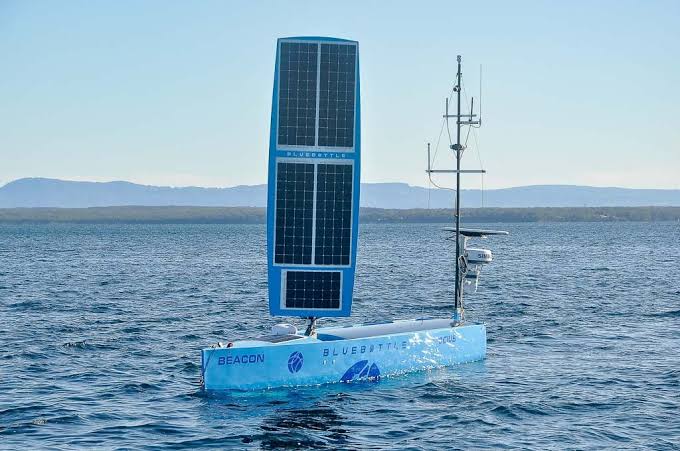
Australia will provide Fiji with solar-powered, uncrewed surface vessels to strengthen maritime surveillance and help detect drug trafficking and illegal fishing in the country’s waters.
Australian High Commissioner to Fiji Peter Roberts announced the support following the launch of Fiji’s first Integrated Maritime Security Strategy at the Novotel Convention Centre in Lami today.
The vessels, known as Bluebottles, are 7.5-metre-long autonomous surface vessels powered by solar, wind and wave energy. They can remain at sea for up to six months, providing a persistent surveillance capability across Fiji’s vast maritime zone.
Mr Roberts said the vessels would support the implementation of the new strategy, with the technology already identified as a key resource under its second pillar.
He said Australia and Fiji were now working together to turn the strategy into practical action.
“It’s important that we don’t just have this strategy, that we deliver on it,” Mr Roberts said.
He said the Bluebottles had already been deployed temporarily in the region, allowing Fiji and its partners to observe their effectiveness.
The Australian High Commissioner said the vessels would be provided as permanent sovereign assets of Fiji, strengthening the country’s ability to monitor its maritime domain.
The announcement comes as Fiji faces growing concerns over transnational organised crime, particularly the movement of illicit drugs through maritime routes, alongside illegal fishing and other threats to its borders.
Minister for Defence and Veterans Affairs Pio Tikoduadua welcomed the assistance, thanking the Australian Government for its continued support of Fiji’s defence and national security.
He said the new capability would complement existing cooperation between the two countries, including the Pacific Maritime Security Programme and the provision of Guardian-class patrol boats.
Mr Tikoduadua stressed that the vessels would serve as a resource for the Fijian state, rather than exclusively for the Navy.
Although the capability would primarily be managed through the Royal Fiji Navy, he said the intelligence gathered would benefit other government agencies responsible for maritime security and law enforcement.
“This additional capability will be a dedicated resource for the State. It belongs to the State,” Mr Tikoduadua said.
He said the information collected would support agencies involved in protecting Fiji’s maritime domain, strengthening coordination and improving the country’s ability to respond to threats.
Fiji’s Exclusive Economic Zone covers more than 1.28 million square kilometres, while more than 96 percent of the country’s trade moves by sea.
Mr Tikoduadua said cooperation with Australia was essential because Pacific countries, regardless of their size, could not protect the ocean independently.
Both countries have committed to strengthening their partnership to improve maritime security and contribute to the safety of the wider Pacific region.
Namara elders bring their voices to Constitution consultations
Oct 16, 2026, 04:51 PM
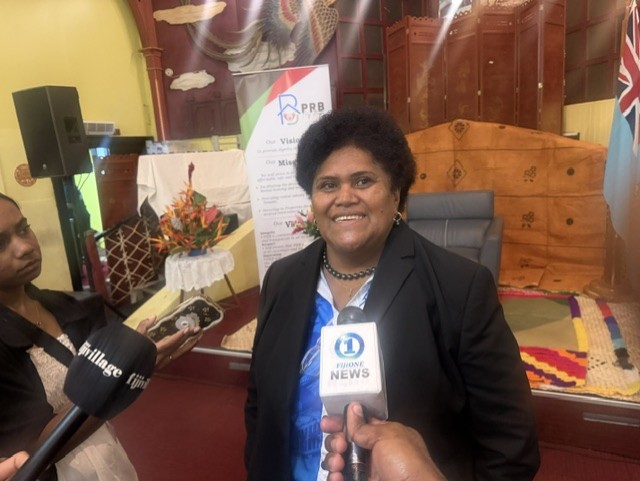
PRB moves to recover more than $1 million in unpaid...
Oct 15, 2026, 04:35 PM

Women urged to build confidence and knowledge behind the wheel
Sep 19, 2026, 05:49 PM
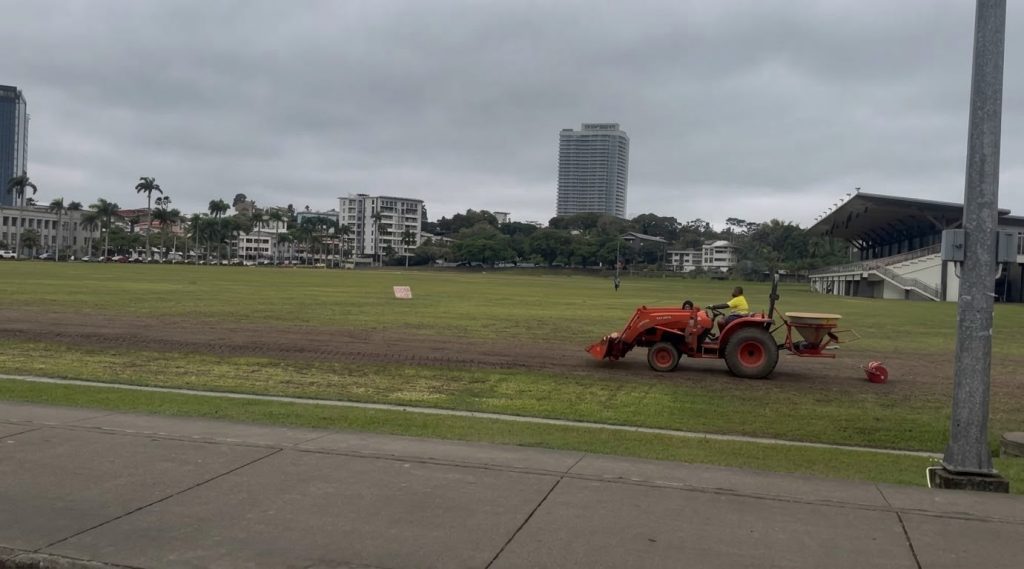
Albert Park rehabilitation works underway after Hibiscus Festival
Sep 10, 2026, 01:38 PM
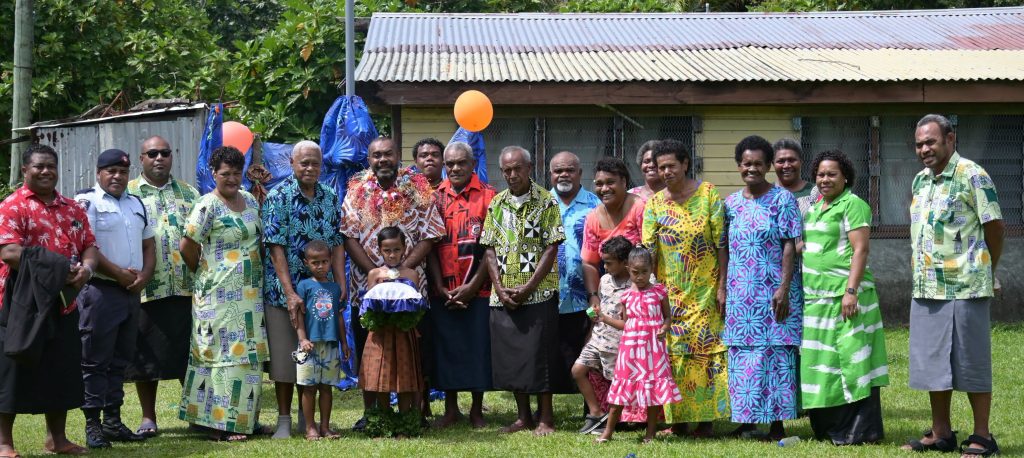
Solar lighting project benefits Tavuya Villagers
Aug 29, 2026, 09:09 AM
Namara elders bring their voices to Constitution consultations
Oct 16, 2026, 04:51 PM
PRB moves to recover more than $1 million in unpaid...
Oct 15, 2026, 04:35 PM
Women urged to build confidence and knowledge behind the wheel
Sep 19, 2026, 05:49 PM
Albert Park rehabilitation works underway after Hibiscus Festival
Sep 10, 2026, 01:38 PM
Solar lighting project benefits Tavuya Villagers
Aug 29, 2026, 09:09 AM
 Eparama Warua