In Fiji:

A simple test can save a life, but for many, access, stigma and delays still stand in the way.
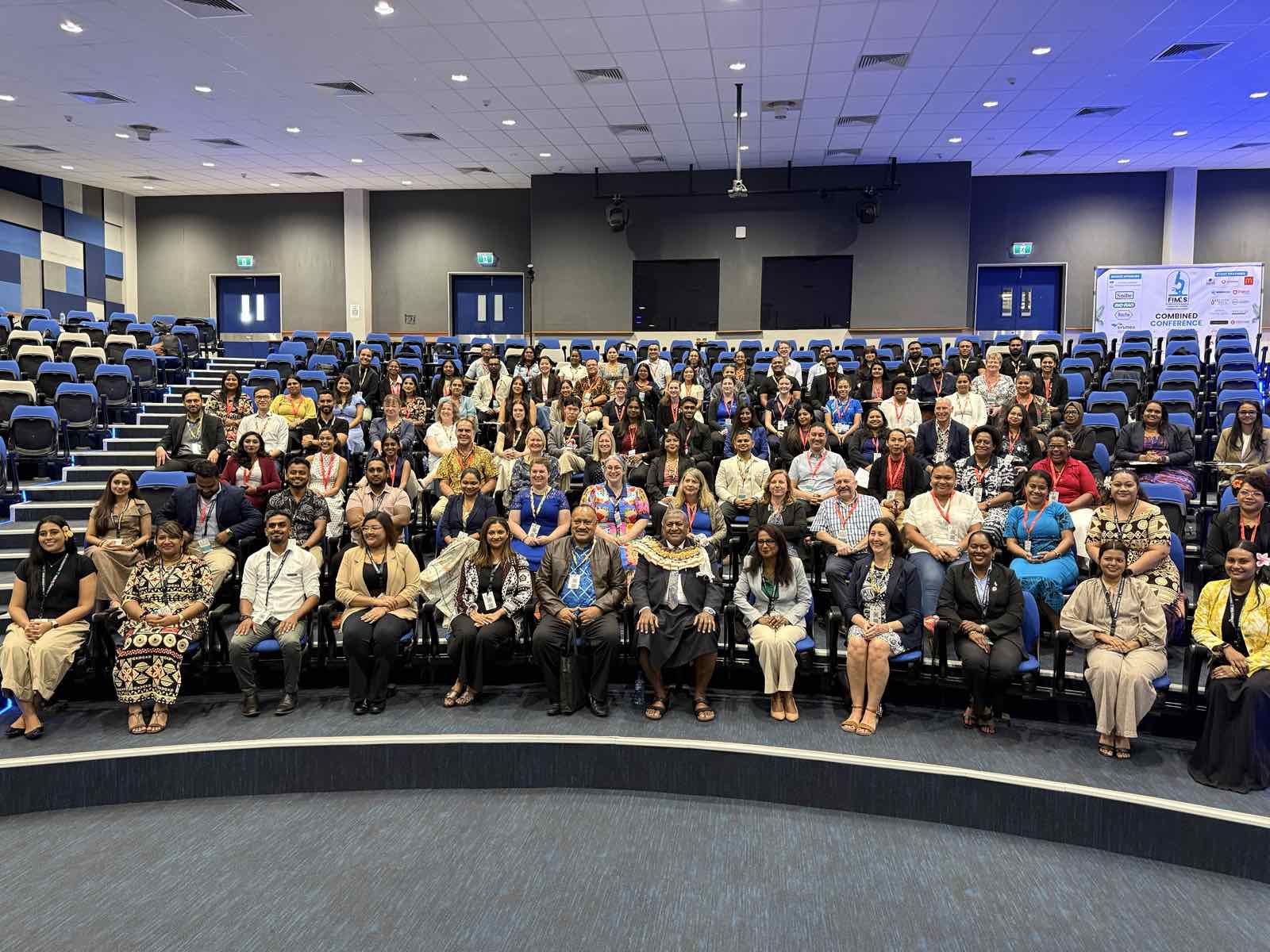
Improving HIV testing and bringing services closer to communities was a key focus at the Fiji Institute of Medical Laboratory Science Annual Conference, as experts discussed ways to strengthen diagnosis, treatment and care across the Pacific.
One key issue raised was ensuring HIV testing is easier to access and that patients are connected to treatment sooner.
World Health Organization Representative, Mun Reddy highlighted that bringing HIV testing services closer to communities has helped improve access to diagnosis and treatment, particularly for people who may face barriers accessing traditional health facilities.
“The fact that if we really want to make this test visible and accessible, it has to be through a point of care, there is no way to go without taking services closer to the community where it should be” Reddy highlighted.
Associate Professor at Fiji National University, Dr. Aruna Devi emphasized that expanding testing services must also be supported by strong quality assurance systems and proper training to ensure patients receive accurate results and timely care.
“Accessing the test and getting the results or getting treated should all be aligned. We should have a very strong quality assurance system in both screening and confirmatory testing. Training is very important” Devi emphasized.
Independent Consultant, Ritambhara Prasad says stigma continues to discourage some people from seeking HIV testing, and stronger partnerships between the public and private sectors could help improve access to services.
“There is still a lot of stigma associated with HIV and many people do not want to be seen going into a testing station. We see 7000 thousand of patients every month” Prasad said.
Conference participants say improving access to testing, strengthening laboratory services and reducing stigma will remain critical in ensuring more people receive early diagnosis and treatment when they need it most.
Gokals Launches Fujitsu Air Conditioning, Focusing on Customer Needs and...
Oct 20, 2026, 04:50 PM

SPX Opens Entries for 2026 Corporate Excellence Awards
Oct 20, 2026, 03:08 PM

Woolworths partners Rugby World Cups in Australia
Oct 20, 2026, 02:47 PM
At 71 Karl Smith Continues to Thrive in Farming
Oct 20, 2026, 02:44 PM

RFMF Women Secure Defence Pacific Cup Series
Oct 20, 2026, 02:31 PM
Gokals Launches Fujitsu Air Conditioning, Focusing on Customer Needs and...
Oct 20, 2026, 04:50 PM
SPX Opens Entries for 2026 Corporate Excellence Awards
Oct 20, 2026, 03:08 PM
Woolworths partners Rugby World Cups in Australia
Oct 20, 2026, 02:47 PM
At 71 Karl Smith Continues to Thrive in Farming
Oct 20, 2026, 02:44 PM
RFMF Women Secure Defence Pacific Cup Series
Oct 20, 2026, 02:31 PM
 Fiji One News Team