In Fiji:

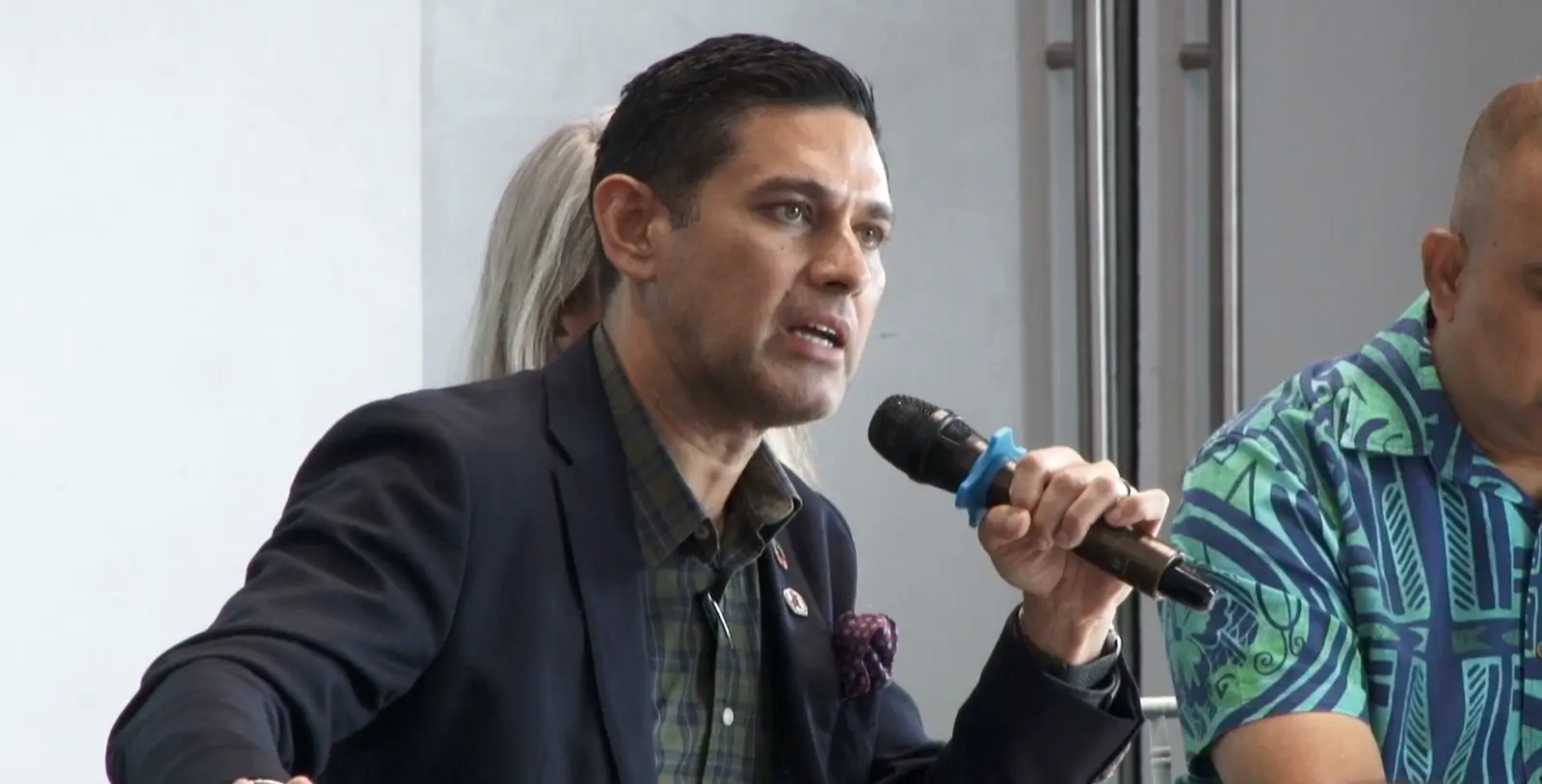
The provision of clean needles and syringes is being pushed as an urgent frontline response to Fiji’s escalating HIV crisis, with health officials stressing it is critical to breaking the chain of transmission among people who inject drugs.
Head of HIV Epidemic Response, Dr Jason Mitchel, says 48 percent of HIV infections in Fiji are linked to the sharing of needles and syringes and the mixing of blood during the process of injecting drugs.
He draws parallels to the COVID-19 response, saying just as masks and other preventative strategies were used to reduce transmission, providing sterile injecting equipment is a proven way to reduce the spread of HIV.
Dr Mitchel says needle and syringe programs are a harm reduction strategy aimed at protecting public health, not promoting drug use.
He adds that there is sufficient legislation in Fiji to support this intervention, noting it is protected under the HIV Act.
The urgency comes amid alarming figures from the United Nations, which estimates that about 7,000 people are currently living with HIV in Fiji — a significant rise from 1,000 in 2020.
Only 30 percent of those individuals are aware of their status, raising serious concerns about ongoing undetected transmission.
Half of the people living with HIV in Fiji are people who inject drugs.
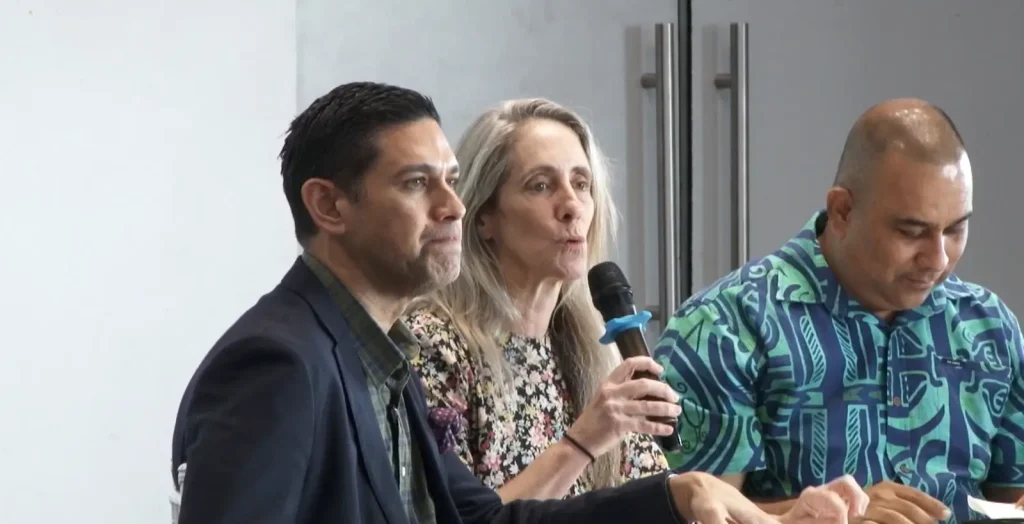
Dr Virginia Macdonald from the Kirby Institute says this trend is consistent with global data, where HIV prevalence is high among people who inject drugs.
She explains that the risk lies in the sharing of contaminated injecting equipment.
If a person living with HIV uses a needle, traces of infected blood can remain in the syringe. When that needle is reused, the virus can enter directly into another person’s bloodstream.
Dr Macdonald also refutes claims that needle and syringe programs increase drug use.
She says decades of research in Australia show no rise in injecting drug use following the expansion of such programs, and in some cases, drug use has declined.
Health officials maintain that expanding access to clean needles, alongside increased testing and treatment, is essential to slowing the spread of HIV and preventing further escalation of the epidemic in Fiji.
Overseas Medical Team Performs Free Heart Surgeries in Fiji
Oct 21, 2026, 04:22 PM
Australia to Provide Fiji with Solar-Powered Drone Vessels to Combat...
Oct 21, 2026, 03:31 PM
Te Nana predicts blockbuster Rugby World Cup 2027
Oct 21, 2026, 11:34 AM
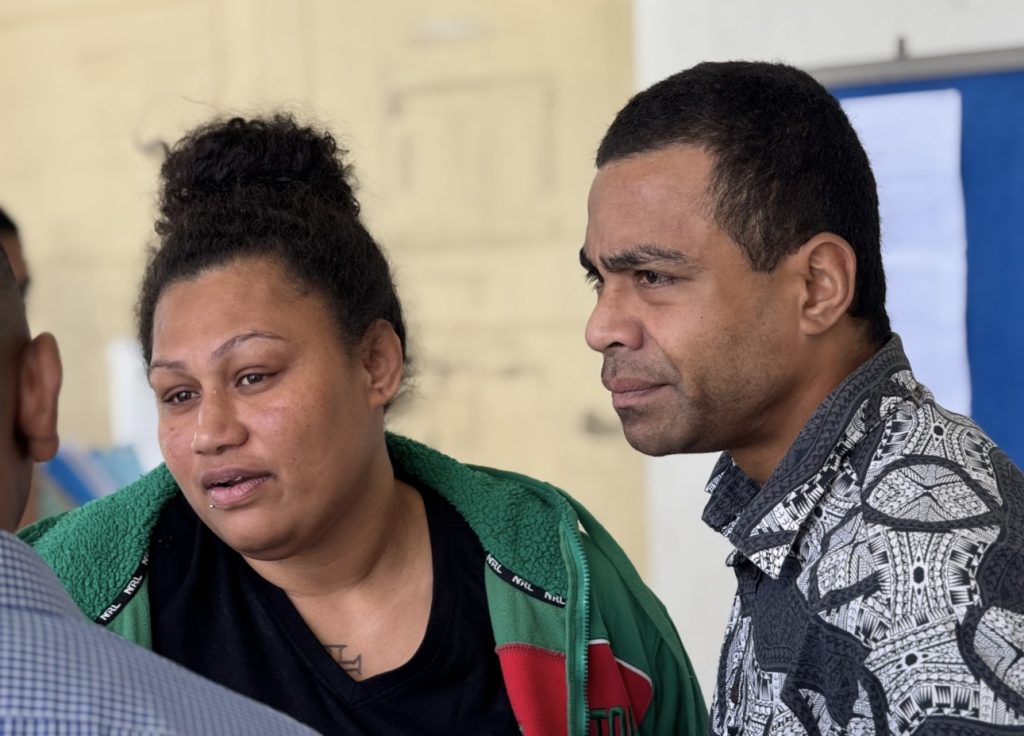
Couple Further Remanded Over Alleged Assault of 12-Year-Old Boy
Oct 21, 2026, 11:26 AM

Pacific Summit pushes growth of women’s rugby
Oct 21, 2026, 11:12 AM
Overseas Medical Team Performs Free Heart Surgeries in Fiji
Oct 21, 2026, 04:22 PM
Australia to Provide Fiji with Solar-Powered Drone Vessels to Combat...
Oct 21, 2026, 03:31 PM
Te Nana predicts blockbuster Rugby World Cup 2027
Oct 21, 2026, 11:34 AM
Couple Further Remanded Over Alleged Assault of 12-Year-Old Boy
Oct 21, 2026, 11:26 AM
Pacific Summit pushes growth of women’s rugby
Oct 21, 2026, 11:12 AM
 Eparama Warua